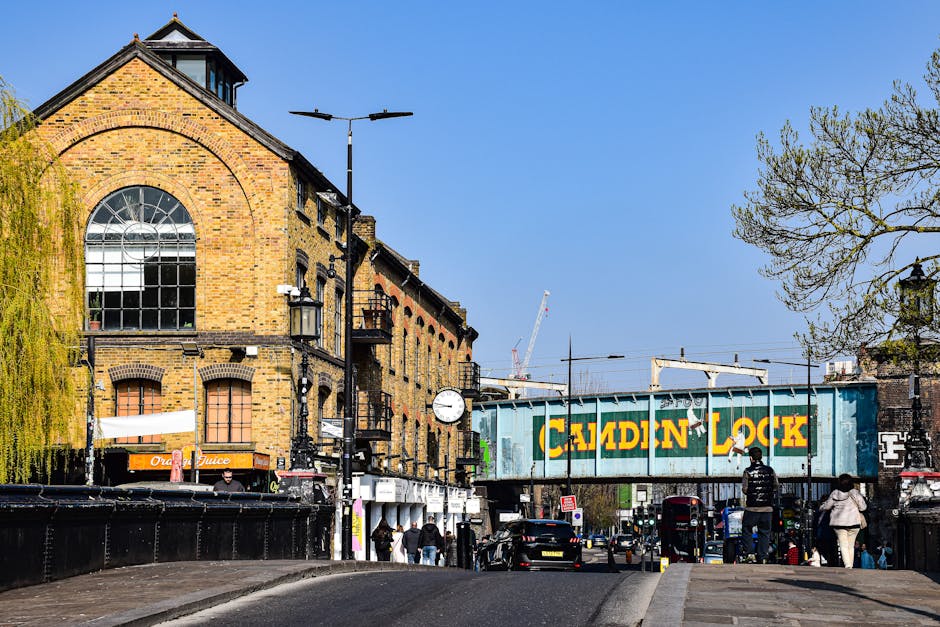
Camden flat deep cleaning real cost guide

If you're trying to work out the Camden flat deep cleaning real cost guide before you book, you're not alone. Flats in Camden can be a bit of a mixed bag: compact studio spaces, shared Victorian conversions, new-build apartments with strict access rules, and older properties that need extra care around fittings and surfaces. So the price is rarely just a single flat number. It shifts with size, condition, access, add-ons, and how thorough you need the clean to be.
This guide breaks the pricing down in plain English. You'll see what deep cleaning normally covers, what pushes the cost up or down, how to compare quotes without getting caught out, and when a deep clean is genuinely worth paying for. If you want a broader service overview as you read, it can also help to glance at the provider's deep cleaning service and pricing and quotes information so you can compare the guide with a real-world booking process.
Let's face it: most people do not want a lecture about cleaning. They want to know what they'll probably pay, what they should expect, and how to avoid the classic "why is this quote so much higher than the last one?" moment. Fair enough.
Why the Camden flat deep cleaning real cost guide matters
Deep cleaning is one of those services where the same phrase can mean very different things to different people. To one resident, it means a detailed reset of the kitchen, bathroom, floors, and high-touch surfaces. To another, it means tackling limescale, greasy ovens, skirting boards, cupboards, and the dust that settles behind radiators when life gets busy.
That matters because cost follows effort. A flat that has been kept on top of with regular cleaning will usually need less labour than one that has not had a proper reset in months. In Camden, that distinction comes up often because flats can be rented, shared, or used short-term, and each scenario leaves a different kind of mess. One tenant may just need a polish-up before moving, while another may be facing a post-party kitchen that smells faintly of old takeaway. Not glamorous, but real.
Understanding real cost also helps you spot a quote that is too vague. If someone gives you a very low figure without asking about the number of rooms, condition, or extras, that can be a red flag. A proper quote should reflect the actual work, not just a guess scribbled in haste.
For many customers, the goal is not simply "cleaner". It is clean enough for a landlord inspection, a move-in, a sale, a hosting changeover, or just peace of mind. That's the difference between a quick tidy and a proper deep clean. And yes, it shows in the price.
How the cost is worked out
The real cost of deep cleaning a flat in Camden is usually built from a few core factors. No mystery, just practical job pricing.
- Size of the flat: studio, one-bed, two-bed, or larger conversion.
- Condition: lightly used, moderately built up, or heavily neglected.
- Room count and layout: open-plan spaces can be faster than awkward layouts with small rooms and lots of edges.
- Kitchen complexity: ovens, extractor hoods, tile grout, cupboard interiors, and limescale all add time.
- Bathroom condition: soap scum, mildew, grout staining, and hard water marks can increase effort.
- Access: top-floor walk-ups, limited parking, narrow staircases, or controlled entry can affect labour time.
- Add-on tasks: things like oven cleaning, carpet cleaning, or window cleaning may be priced separately.
The biggest misconception is that a deep clean is just a longer regular clean. Sometimes it is. Often it is not. A regular clean focuses on maintenance. A deep clean is more intrusive: moving around more items, working into corners, lifting grime from hidden or awkward areas, and spending real time on detail. That extra time is what you pay for.
In practice, a quote may be fixed, hourly, or based on the flat's scope. Fixed pricing is often easier for customers because you know where you stand. Hourly pricing can be fair too, but only if the job is well described in advance. Otherwise, it gets messy fast. Nobody likes surprises on an invoice, especially not in a London flat where the hallway already feels like it's shrinking by the minute.
Key benefits and practical advantages
A deep clean is not just about appearance. It has a few very practical benefits that often justify the cost.
- Better hygiene: Removes built-up dirt from high-contact areas like switches, handles, taps, and worktops.
- Less stress during moves: Ideal before handing back keys or moving into a new place.
- Improved presentation: Helpful for viewings, short lets, or selling a flat.
- More effective than quick tidying: Gets into places that routine cleaning usually skips.
- Potentially fewer follow-up jobs: Once the flat is reset, maintenance is easier.
There is also a mental benefit that people underestimate. Walking into a kitchen that smells fresh, seeing clean grout lines, and not noticing dust on skirting boards can change the whole feel of a flat. A clean space tends to calm the room down. Sounds odd, but you notice it straight away.
If your flat has soft furnishings or worn textiles that hold onto odour, combining a deep clean with specialist services such as upholstery cleaning or mattress cleaning can give a more complete result. That is especially useful in smaller Camden flats where smells linger faster than they do in larger homes.
Who this is for and when it makes sense
This type of clean makes the most sense for people in specific situations:
- Tenants moving out: especially if you want the place to look inspection-ready.
- New tenants or buyers moving in: because a fresh start feels better when cupboards and bathroom surfaces are properly sanitised.
- Landlords and letting agents: when a flat needs resetting between occupants.
- Airbnb and short-let hosts: to keep presentation and guest experience consistent, sometimes alongside Airbnb cleaning.
- Busy households: when regular cleaning has slipped and the place needs a reset.
It also makes sense after messy periods: renovations, illness, a long winter indoors, or simply months of not getting around to the deep bits. A clean can be emotional in that way. You open a cupboard, see the grease line that has been bugging you for weeks, and suddenly the whole job feels more manageable. Or at least less annoying.
For homes with pets, it can be sensible to add targeted help like pet stain and odour removal or stain removal if smells or marks are part of the issue. One-size-fits-all pricing rarely covers those properly, so ask up front.
Step-by-step guidance
If you want the cost to make sense, start with a clear process. It saves time, reduces surprises, and usually gets you a better quote.
- List the rooms: note bedrooms, living room, kitchen, bathroom, hallway, utility areas, and any balcony or patio access if relevant.
- Flag the condition honestly: oven buildup, limescale, pet hair, mould, food residue, dust, and grease all matter.
- Separate standard deep cleaning from extras: carpet work, upholstery, oven degreasing, or window cleaning can change the total.
- Check access: parking, lift availability, entry codes, and stair access can affect the time needed.
- Ask what is included: cupboards inside and out? light switches? skirting boards? appliance exteriors? It's worth being specific.
- Compare like for like: a cheaper quote might exclude tasks that another cleaner includes. Apples and oranges, basically.
When you get a quote, the useful question is not just "How much?" It is "What exactly am I getting for that amount?" That one question can save you a lot of back-and-forth later on.
If your flat is being prepared for handover, it may be worth comparing the scope with end of tenancy cleaning or move out cleaning. These jobs overlap with deep cleaning, but they are not always identical. End of tenancy work often includes more detailed expectations around condition and presentation.
Expert tips for better results
A few small choices can make the whole job smoother and more cost-effective.
- Be precise about the worst areas first. If the oven, shower, or bathroom grout is the problem, say so. Don't bury the lead.
- Clear surfaces where you can. The cleaner can work faster if counters, floors, and sinks are not crowded.
- Decide what you want included before the visit. It avoids awkward "oh, I thought that was extra" moments.
- Match the clean to the flat's actual condition. A lightly lived-in flat does not need the same scope as a place that has been empty for months.
- Book around the real deadline. If keys are being returned at 11am, do not book the clean for the same morning and hope for the best. That is heroic, but unnecessary.
In our experience, the clean goes better when the customer thinks in terms of outcomes: "I need the bathroom inspection-ready" or "I need the kitchen to feel properly reset." That is much more useful than asking for a vague general tidy. Truth be told, cleaners do better work when they know what success looks like.
If you have hard water marks or grimy tile lines, ask whether hard floor cleaning or another specialist approach is more appropriate. Some surfaces need a gentler method than standard scrubbing, especially in older Camden flats where finishes can be a bit fragile.
Common mistakes to avoid
The most common pricing mistakes are not really about cleaning. They are about expectation.
- Assuming all deep cleans are the same. They are not. A small flat with light dusting is very different from a greasy kitchen and two bathrooms.
- Forgetting add-ons. Carpet, upholstery, oven, and window work may be separate.
- Not mentioning condition honestly. If the place needs major work, say so early.
- Comparing only the headline number. The cheapest quote may exclude things you actually need.
- Leaving access issues until the day. If parking or entry is tricky, mention it before the booking is confirmed.
Another mistake? Expecting a deep clean to fix damage. It can remove dirt, stains, grease, and buildup, but it will not magically repair scratched tiles, worn paint, or mould that needs separate treatment. A good cleaner will be honest about that rather than pretending otherwise. That honesty matters more than a flashy promise.
Tools, resources and recommendations
You do not need a cupboard full of professional kit to prepare for a deep clean, but a few basics help.
- Microfibre cloths: useful for wiping accessible surfaces before the cleaner arrives.
- Spare bin bags: helpful if you want to clear clutter quickly.
- Labelled moving boxes or baskets: good for clearing counters without making a bigger mess.
- Access notes: written instructions for entry, parking, or concierge rules.
- A written scope: even a simple checklist of included rooms and extras can stop confusion later.
If you are comparing providers, use services that explain their process clearly. The site's about us page can help you judge whether a business feels transparent and professionally run, while the insurance and safety information is worth checking if the job involves valuables, awkward access, or fragile surfaces. It is not exciting reading, I know. Still, it's the kind of detail that saves headaches.
For customers with a broader housekeeping plan, it can also help to compare deep cleaning with regular cleaning or one-off cleaning. Sometimes the cheaper answer is not the right answer, but sometimes it is. Depends how much buildup you're dealing with.
Law, compliance, standards, and best practice
For most flat deep cleans, the key compliance point is straightforward: the work should be carried out safely, with sensible handling of chemicals, equipment, and property. In the UK, reputable cleaning services usually follow internal health and safety procedures, use appropriate products for the surface, and take care not to create slip hazards, electrical risks, or damage through over-wetting.
Best practice also means being clear about what is and is not included in the service. If a quote says "deep clean" but does not explain the scope, that is not ideal. A cleaner should be able to describe the task in normal language: kitchen degreasing, bathroom detailing, dust removal, surface wipe-downs, floor attention, and so on.
If the flat is rented, tenants and landlords should also think carefully about the condition left behind and any obligations in the tenancy agreement. Without overcomplicating it, the simple rule is this: leave the property in the standard reasonably expected for handover. Deep cleaning is often the practical route to get there.
It is also smart to look at practical policies when choosing a provider. Pages such as health and safety policy, payment and security, privacy policy, and terms and conditions can show whether the business is organised and transparent. That does not guarantee perfection, obviously, but it does help you make a calmer decision.
Options, methods, and cost comparison
Here is a simple way to think about your options. These are not fixed prices, just the usual relationship between scope and cost.
| Option | What it usually covers | Typical cost pressure | Best for |
|---|---|---|---|
| Regular clean | Routine surface cleaning, tidying, general upkeep | Lower | Weekly or fortnightly maintenance |
| One-off clean | Broader reset than regular cleaning, but usually not highly detailed everywhere | Medium | Busy households or a pre-visit refresh |
| Deep clean | Detailed cleaning of built-up grime, kitchens, bathrooms, and neglected areas | Medium to higher | Move-outs, move-ins, resets, tougher jobs |
| End of tenancy clean | Detailed service aimed at handover standards, often with stricter expectations | Higher | Tenant check-out and landlord preparation |
| Specialist add-ons | Oven, carpet, sofa, mattress, curtain, or stain work | Added separately | Homes with specific problem areas |
In Camden flats, the biggest cost jumps usually come from add-ons and condition. A modest one-bed with a tidy kitchen might sit comfortably in the middle band, while a cluttered flat with a dirty oven, heavy limescale, and stained upholstery will move up quickly. That is just how labour works. More time, more effort, more cost.
If carpets are part of the picture, compare steam carpet cleaning with standard carpet cleaning. Steam-based methods can be useful where deeper fibre agitation is needed, though suitability depends on the material and drying time. It is not always the right answer, and that is fine. A good provider should say so.
Case study or real-world example
A typical Camden example might be a two-bedroom flat in a converted terrace near a busy high street. The place is tidy enough, but the kitchen has grease on the extractor, the oven has built-up residue, the bathroom has limescale on the shower screen, and the skirting boards have gathered dust that never quite gets noticed until you crouch down and really look.
At first glance, the customer expects a "quick deep clean". Then the details start stacking up: narrow hallway, top-floor access, no lift, a few stubborn stains on the lounge carpet, and a sofa that has absorbed years of coffee and life. The final quote reflects the time required, not just the floorplan.
What usually happens in that situation? The customer books the service, asks for the oven to be included, adds carpet and upholstery cleaning, and gets a much better result than they would from a simple general tidy. The flat feels fresher, lighter, and easier to hand over. It is not magic. Just a properly scoped job.
If the property is being prepared for a new tenancy or let, pairing deep cleaning with move in cleaning or move out cleaning can make the whole process smoother. Different job labels, yes. But the practical overlap is obvious.
Practical checklist
Use this before you request a quote or confirm a booking.
- Count all rooms and note the flat type.
- List the worst areas honestly.
- Decide whether the oven, carpet, sofa, mattress, curtains, or windows need extra attention.
- Check access details, parking, and entry instructions.
- Clarify what is included in the deep clean.
- Ask whether the quote is fixed or estimated.
- Check whether any specialist services are priced separately.
- Make sure the timing fits your move, inspection, or hosting schedule.
- Keep valuables and fragile items out of the way.
- Ask about payment terms before confirming.
A tiny bit of preparation goes a long way. Even clearing a few counters can save real time on the day. And when the cleaner can get straight to work, you usually get more value for money. Simple, really.
Get a free quote today and see how much you can save.
Conclusion
The real cost of deep cleaning a Camden flat depends on more than square footage. Condition, access, add-ons, and the level of detail all shape the final figure. If you understand those moving parts, it becomes much easier to compare quotes properly and avoid paying for guesswork.
The best approach is straightforward: describe the flat honestly, ask what is included, compare services like for like, and choose the option that matches the actual job. A good deep clean should feel worth it the moment you walk back in and notice the difference. That quiet, fresh feeling. Hard to fake, that.
When the timing is right, a properly planned deep clean can take a Camden flat from tired to genuinely ready, and that is often money well spent.
Frequently Asked Questions
How much does a Camden flat deep clean usually cost?
The cost depends on flat size, condition, access, and any extras. A tidy one-bed costs less than a heavily used two-bed with oven, carpet, and upholstery work added. The safest approach is to request a tailored quote rather than rely on a flat headline number.
What is usually included in a deep clean?
Common inclusions are detailed kitchen and bathroom cleaning, surface wipe-downs, dust removal, skirting boards, floors, and attention to hard-to-reach areas. Some providers include more, some less, so always check the scope carefully.
Is a deep clean the same as an end of tenancy clean?
Not always. There is overlap, but end of tenancy cleaning is usually more focused on handover standards and may be stricter in scope. If you are moving out, it may be worth comparing both service types before booking.
Why do Camden flats sometimes cost more to deep clean?
Access can be trickier in Camden because of older conversions, narrow staircases, parking limits, and compact layouts. Add in heavy use, grease, limescale, or stairs, and the labour time can rise quickly.
Can I reduce the cost by preparing the flat first?
Yes, to a point. Clearing clutter, moving small items, and giving clear instructions can save time. But do not hide the problem areas; if something needs proper attention, it is better to say so early.
Are oven, carpet, and upholstery cleaning included?
Often not automatically. These are commonly treated as specialist add-ons. For example, you might need oven cleaning, carpet cleaning, or upholstery cleaning alongside the deep clean.
How long does a flat deep clean take?
That depends on size and condition. A smaller, tidy flat may be completed faster than a larger or more neglected one. The more buildup there is, the longer it usually takes. Not a thrilling answer, but it is the honest one.
Should I get a fixed price or hourly quote?
Fixed pricing is often easier to budget for because you know the total before the clean starts. Hourly pricing can work well too, but only if the job is clearly defined. If the scope is vague, fixed pricing is usually safer for the customer.
What should I ask before booking?
Ask what is included, what counts as an extra, whether the quote is fixed, how access is handled, and whether specialist work is priced separately. Those questions usually uncover the important details very quickly.
Is deep cleaning worth it for a move-in?
Yes, in many cases. Move-in cleaning helps remove leftover dust, odours, and general grime so the flat feels genuinely fresh from day one. It is a nice reset before furniture and boxes start filling the space.
What if my flat has odour or pet stains?
Then you may need more than a standard deep clean. Services such as pet stain odour removal and targeted stain removal can help address the problem properly, especially in smaller flats where smells linger.
How do I know if a quote is fair?
Compare the scope, not just the price. If one quote includes more rooms, more detail, or extra services, it may be better value even if the number is higher. A fair quote should match the actual work needed, not just the wishful version of it.
What's the best next step if I need a quote now?
Gather your flat details, note any add-ons, and check the provider's service information and quote process. If you want a clear starting point, review pricing and quotes alongside the deep cleaning service so you can compare what's included before you commit.