Health and Safety Policy for Cleaners Camden
 Health and safety is a core part of every cleaning service we provide. This policy sets out the standards that help protect staff, clients, visitors, and anyone who may be affected by our work. It applies to all cleaning activities, whether they take place in offices, communal areas, private homes, or commercial premises. Our aim is to maintain a safe working environment, reduce risk, and support consistent, professional cleaning practices at all times.
We recognise that cleaning work can involve exposure to slips, chemical products, sharps, heavy lifting, and awkward postures. For that reason, Cleaners Camden treats risk control as part of everyday operations, not as an afterthought. Every team member is expected to work carefully, follow instructions, and use equipment correctly. The policy also promotes awareness, so potential hazards are identified before they become incidents.
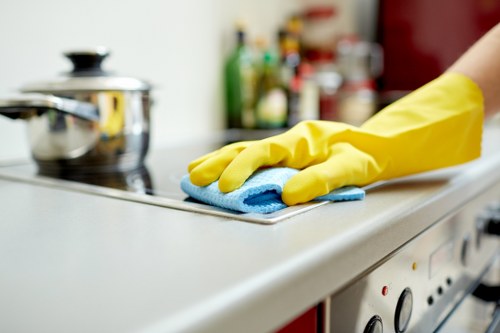 Our commitment begins with proper planning. Each job is assessed so that the right equipment, protective items, and cleaning methods are selected. Safe working practices include keeping walkways clear, using warning signs where needed, and ensuring that products are stored securely. By building safety into each task, we reduce avoidable harm and improve the overall quality of service.
Training is essential to this approach. All cleaners receive instruction on safe chemical use, correct dilution, manual handling, and emergency procedures. They are also trained to recognise hazards such as wet floors, broken items, unstable furniture, and exposed electrical risks. This helps ensure that Camden cleaners can respond appropriately in changing environments and maintain control over routine and non-routine work.
Personal protective equipment, or PPE, is used when needed and must be kept in good condition. Depending on the task, this may include gloves, aprons, masks, eye protection, or suitable footwear. PPE is not a substitute for careful working methods, but it provides an extra layer of protection. Staff are expected to wear the correct items, use them properly, and report damaged equipment immediately.
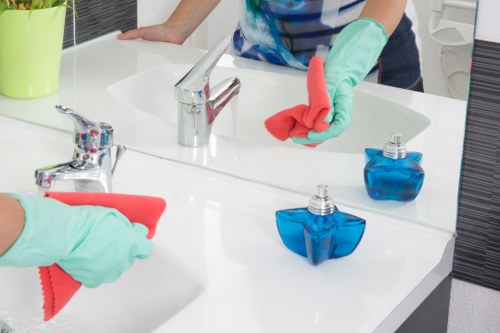 Chemical safety is managed with particular care. Cleaning products must be labelled, stored upright, and kept out of reach of unauthorised persons. Staff should never mix chemicals unless the product instructions specifically allow it. When handling strong or concentrated substances, cleaners must follow the manufacturer’s guidance and use the least hazardous product suitable for the task. This reduces exposure and supports a more responsible cleaning process.
Manual handling is another important focus. Moving bins, lifting supplies, carrying equipment, and repositioning furniture can all cause strain if not done correctly. Staff should assess the load, use correct lifting techniques, and ask for assistance when something is too heavy or awkward. Where possible, equipment should be selected to reduce physical effort and limit repetitive movement. Good posture and sensible pacing are essential parts of safe work.
Slip and trip prevention is a priority during all cleaning activities. Floors may become wet, cords may create obstacles, and tools can be left in pathways if work is not managed carefully. To prevent accidents, cleaners must keep areas organised, place warning signs where appropriate, and avoid leaving hazards unattended. Attention to detail is especially important in busy spaces where people may enter unexpectedly.
 Emergency awareness is also included in this policy. Staff should know how to respond to spills, injuries, fire alarms, and other urgent situations. They must stop work if conditions become unsafe and report the issue without delay. First aid procedures, evacuation routes, and incident reporting steps should be understood before work begins. A calm and prompt response can prevent a minor issue from becoming a serious one.
Health monitoring and wellbeing are part of our wider responsibility. Cleaning work can be physically demanding, so staff should be encouraged to report fatigue, soreness, skin irritation, breathing concerns, or any condition that may affect safe performance. Where necessary, tasks can be adjusted to reduce strain or exposure. We believe that a safe workplace also supports long-term employee wellbeing and dependable service delivery.
Clients and site occupants also have a role in safety. Areas should be made accessible where possible, valuable or fragile items should be identified in advance, and any known hazards should be shared before work starts. Clear communication helps reduce confusion and ensures that cleaning can be completed safely and efficiently. Mutual cooperation improves standards for everyone involved.
 This policy is reviewed regularly to keep it relevant and effective. Updates may be made following an incident, changes in equipment, revised procedures, or new risk information. All staff are expected to follow the latest version and apply the principles consistently. In this way, Camden cleaning services remain safe, professional, and dependable while protecting people and property at every stage of the work.